How Dubai Municipality Inspections Affect Your Villa Renovation Timeline
A contractor waits at a villa site in Dubai for an inspector who has not arrived, with the next trade crew already scheduled. There are two options: proceed and risk a stop-work order, or wait and lose the day. This tension defines every villa renovation that touches structural elements, electrical networks, or plumbing systems. Knowing exactly where Dubai Municipality places inspection hold points determines whether your project finishes on schedule or stalls under enforcement action.
Contents
- Which Dubai Municipality inspections are mandatory for a villa renovation?
- How long does the Dubai Municipality permit approval process take?
- At what stages must a Dubai Municipality inspector visit the site?
- How much time should you add to your renovation schedule for inspections?
- What penalties apply if you skip Dubai Municipality inspections?
- How do other Dubai authorities interact with municipality inspections?
Key takeaways
- Dubai Municipality requires specific inspections for villa renovations involving structural changes, electrical rewiring, plumbing modifications, or HVAC replacements.
- Initial building permit approval for a villa renovation in Dubai depends on submitting complete architectural drawings, structural calculations, and no-objection certificates through the unified platform.
- Dubai Municipality inspectors visit a villa renovation site at defined hold points: after structural framing or load-bearing modifications, following mechanical, electrical, and plumbing rough-ins, and during final completion before occupancy.
- Villa owners planning a renovation in Dubai should set aside buffer time in their overall project schedule specifically for municipal inspections and permit processing.
- Proceeding with a villa renovation without required Dubai Municipality inspections can result in immediate stop-work orders, fines, and complications when selling the property.
Which Dubai Municipality inspections are mandatory for a villa renovation?
Dubai Municipality requires specific inspections for villa renovations involving structural changes, electrical rewiring, plumbing modifications, or HVAC replacements. Cosmetic updates such as painting or flooring generally do not trigger municipal oversight. The mandatory stages depend on the scope defined in your approved building permit application.
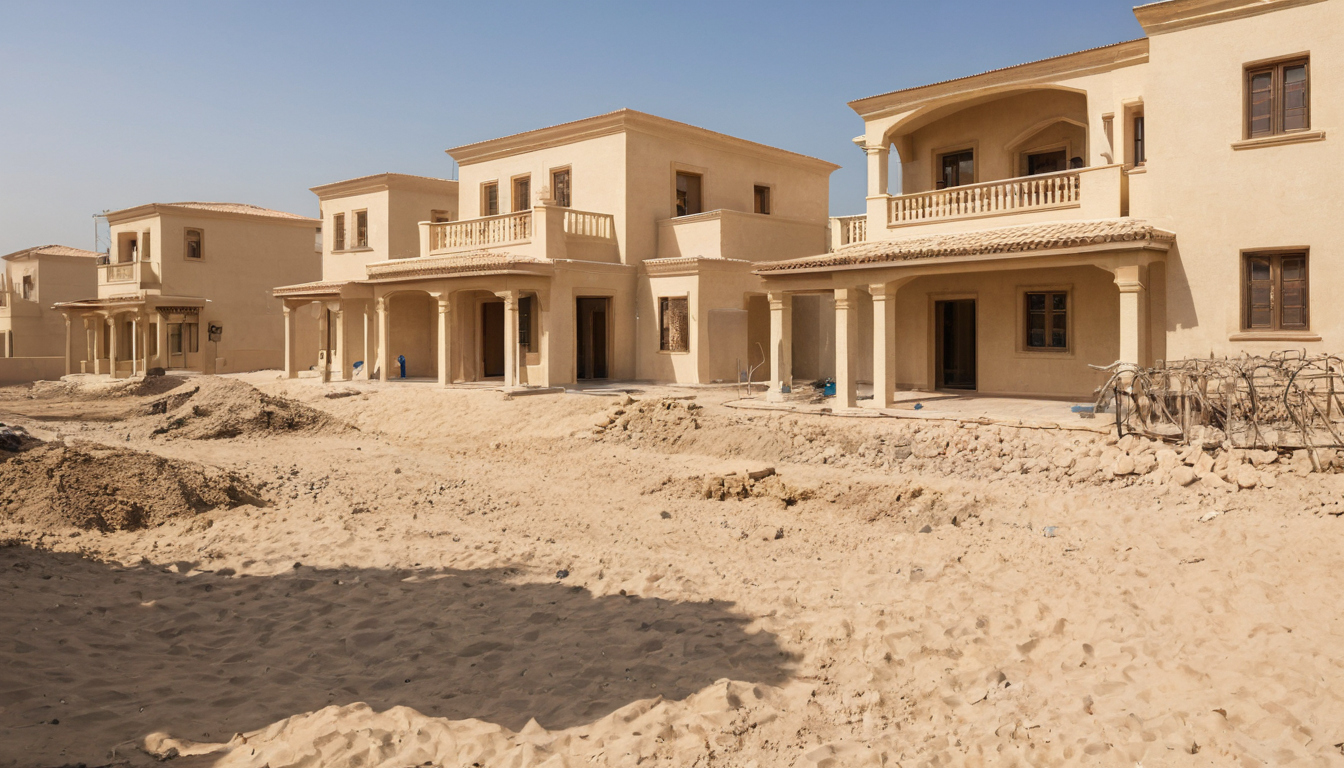
Which Dubai Municipality inspections are mandatory for a villa renovation.
The Building Control and Building Permits Department at Dubai Municipality issues Building Permits and Completion Certificates to enforce quality standards that ensure the safety of buildings and structures (Dubai Municipality). These procedures cover residential villas alongside industrial and multi-storey buildings. On 08 June 2022, the Dubai Building Permit Development Committee completed a unified electronic platform bringing services from all licensing authorities into one system (Dubai Municipality). This single window allows transactions with Dubai Municipality, Dubai Development Authority, Trakhees, and Dubai Integrated Economic Zones Authority through digital identity access. The platform integrates electronically with Civil Defense, RTA, DEWA, Etisalat, and Du, shortening the construction process to three main steps: request for a building permit, unified inspection, and execution and delivery of services. Contractors must also meet certification and registration requirements set by Dubai Municipality to operate legally.
Villa owners must confirm the classification before demolition begins. Working on structural elements without approval risks immediate site closure. Once the permit type is confirmed, the next question is how long approval takes before construction can begin.
How long does the Dubai Municipality permit approval process take?
Initial building permit approval for a villa renovation in Dubai depends on submitting complete architectural drawings, structural calculations, and no-objection certificates through the unified platform. Incomplete applications or missing documents routinely add weeks to the review period.
Dubai Municipality processes these applications through the single window platform launched by the Dubai Building Permit Development Committee. The system integrates electronically with Building Information Modeling, GIS, Automated Auditing of Blueprints, and the Dubai Engineering Qualification System, aligning every submission with the Dubai Building Code (Dubai Municipality). This integration reduces manual routing between departments but requires applicants to supply precise digital files.
Villa owners and contractors must upload complete drawing sets as PDF or MS Office documents. Dubai Municipality enforces a maximum file size of less than 40 MB for all downloadable formats during the building permit application process. Oversized submissions fail at upload, forcing the design team to compress or split files before the review can begin.
Delays usually stem from three specific gaps: missing no-objection certificates from utility providers, structural calculations that contradict the submitted floor plans, or lapsed contractor registrations. Each rejection resets the review queue rather than pausing it. Securing the permit document itself is only the first milestone. Approval triggers mandatory physical hold points where a Dubai Municipality inspector must visit the site before work proceeds.
At what stages must a Dubai Municipality inspector visit the site?
Dubai Municipality inspectors visit a villa renovation site at defined hold points: after structural framing or load-bearing modifications, following mechanical, electrical, and plumbing rough-ins, and during final completion before occupancy. Proceeding past any scheduled inspection without approval legally halts subsequent construction phases.
The unified platform consolidates these inspections into three main steps: request for a building permit, unified inspection, and execution and delivery of services. When a contractor requests an inspection through this system, it triggers the next regulatory checkpoint. The municipal team then checks the completed work against approved drawings before authorising the next trade to begin.
Additional intermediate inspections take place when the renovation scope changes after the permit is issued. Adding a new structural opening, altering fire-rated partitions, or rerouting primary drainage lines requires the contractor to submit revised drawings. Dubai Municipality evaluates the revisions and schedules a targeted site visit to check compliance with the updated plan.
Resolving an unauthorised continuation requires a retroactive inspection request. The contractor must expose concealed work for review, which often means removing finished plaster, ceiling panels, or floor screed to reveal structural connections or plumbing joints. Exposing this work adds labour and material costs beyond the original renovation budget. If the exposed work fails the retroactive inspection, the contractor must demolish and rebuild the non-compliant section before scheduling another review.
Experienced contractors build buffer days into the project schedule around each hold point. These buffers absorb delays caused by inspector availability, failed initial reviews, or required corrections. Without them, a single delayed inspection disrupts the entire Gantt chart, pushing back every subsequent trade crew booked for the villa.
How much time should you add to your renovation schedule for inspections?
Villa owners planning a renovation in Dubai should set aside buffer time in their overall project schedule specifically for municipal inspections and permit processing. This buffer allows for inspector availability, potential re-inspections after failed checks, and administrative processing between completed stages.
Schedule buffers protect the sequence of trades on site. A tiling crew cannot start until the waterproofing inspection passes, and painters must wait for electrical clearance. When an inspector requires corrections, every subsequent trade starts later. Contractors who build these gaps into the baseline programme prevent cascading delays that push handover dates back significantly.
Dubai Municipality processes building permits through three main steps: request for a building permit, unified inspection, and execution and delivery of services (Dubai Municipality). Moving from one step to the next involves administrative review. The single window platform integrates with Dubai Civil Defence, DEWA, and telecommunications providers, so a request for additional documentation from one authority can pause the entire workflow (Dubai Municipality).
Project managers typically spread inspection buffers across the timeline rather than placing them all at the end. A gap before foundation work covers soil test verification. Another pause before closing walls allows for mechanical, electrical, and plumbing checks. Spreading the time this way keeps individual delays short and manageable.
What penalties apply if you skip Dubai Municipality inspections?
Proceeding with a villa renovation without required Dubai Municipality inspections can result in immediate stop-work orders, fines, and complications when selling the property. The Dubai Land Department may refuse to register property transactions if unpermitted structural modifications are discovered during the transfer valuation process.
Contractors are responsible for scheduling inspections at each hold point defined in the approved drawings. When a contractor bypasses an inspection stage, Dubai Municipality holds the registered firm accountable through its certification framework. Penalties can affect the contractor's classification and ability to secure future permits.
Villa owners face separate consequences. If an inspector discovers unpermitted work, the municipality issues the stop-work notice to the property titleholder. The owner must then resolve the violation before construction resumes. A contractor's verbal assurances that an inspection was handled do not shield the homeowner from enforcement actions.
What penalties apply if you skip Dubai Municipality inspections.
Clear contracts prevent disputes after a violation occurs. The renovation agreement should specify which party books each Dubai Municipality inspection, who pays any resulting fines for missed appointments, and how delays from failed inspections affect the project handover date. Without these terms, owners often bear both the financial penalty and the schedule overrun.
How do other Dubai authorities interact with municipality inspections?
Beyond Dubai Municipality, villa renovations often require clearances from DEWA for utility connections, Dubai Civil Defence for fire safety compliance, and sometimes the developer or master community management. These approvals frequently run alongside municipal inspections but follow their own timelines, making the overall renovation schedule more complex.
DEWA issues no-objection certificates when a renovation alters electrical loads or plumbing layouts. Contractors must submit revised distribution plans before work begins on affected circuits or pipe runs. A missing DEWA clearance can halt progress precisely when municipal inspectors expect verified utility compliance.
Dubai Civil Defence reviews modifications that change escape routes, compartmentation, or fire suppression systems. Removing a load-bearing wall between a kitchen and living area triggers a review of smoke detector placement and sprinkler coverage. The authority checks these changes against its own standards rather than deferring entirely to municipal building control.
Master developers enforce additional rules within their communities. Villa owners typically need developer approval for facade alterations, roof additions, or external landscaping changes that affect shared infrastructure. Community management teams inspect completed work independently, and their sign-off often comes before final municipal completion certificates.

How do other Dubai authorities interact with municipality inspections.
The unified electronic platform launched by the Dubai Building Permit Development Committee integrates several of these entities. The system connects Dubai Municipality, Dubai Development Authority, Trakhees, DEWA, and Dubai Civil Defence through a single entry point accessed via digital identity (Dubai Municipality). This integration reduces the administrative work involved in visiting separate offices, though each authority still applies its own technical criteria.
For more on this topic, see other guides on this site.